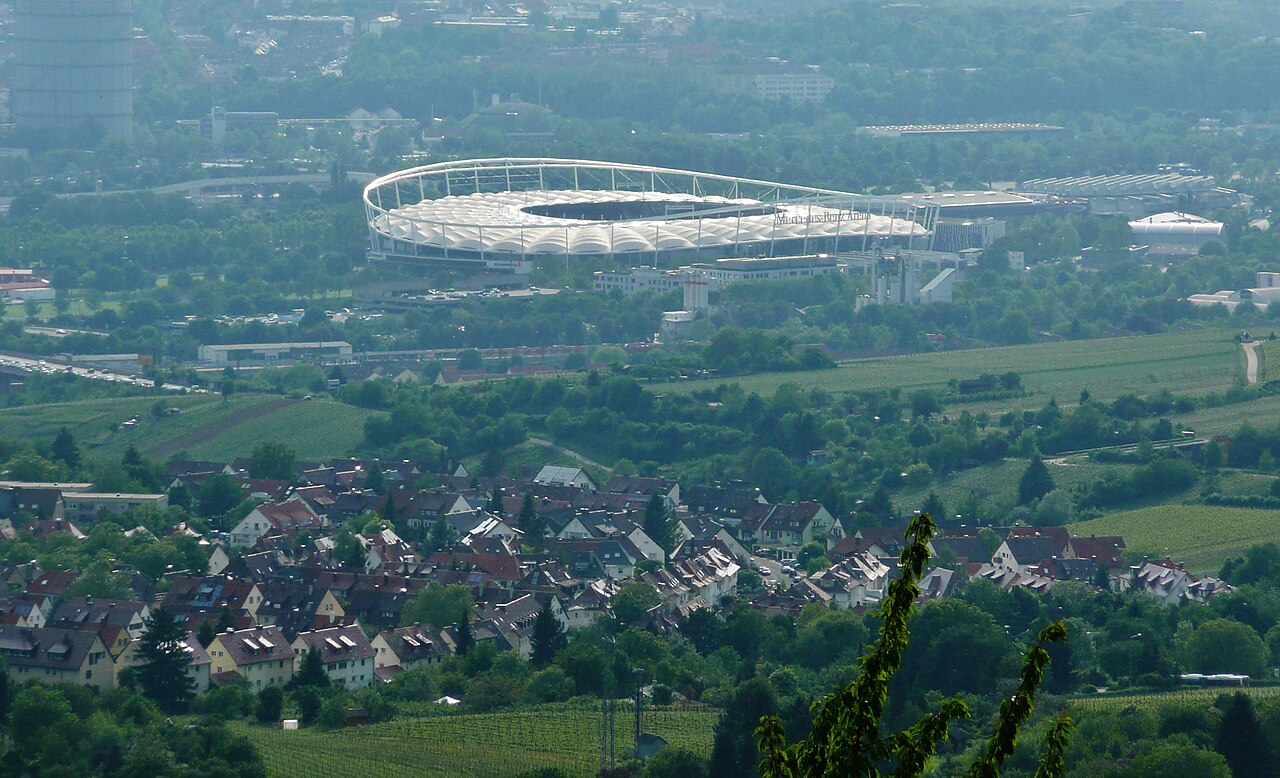
Mercedes-Benz Arena

via Wikipedia: Mercedes-Benz · see source
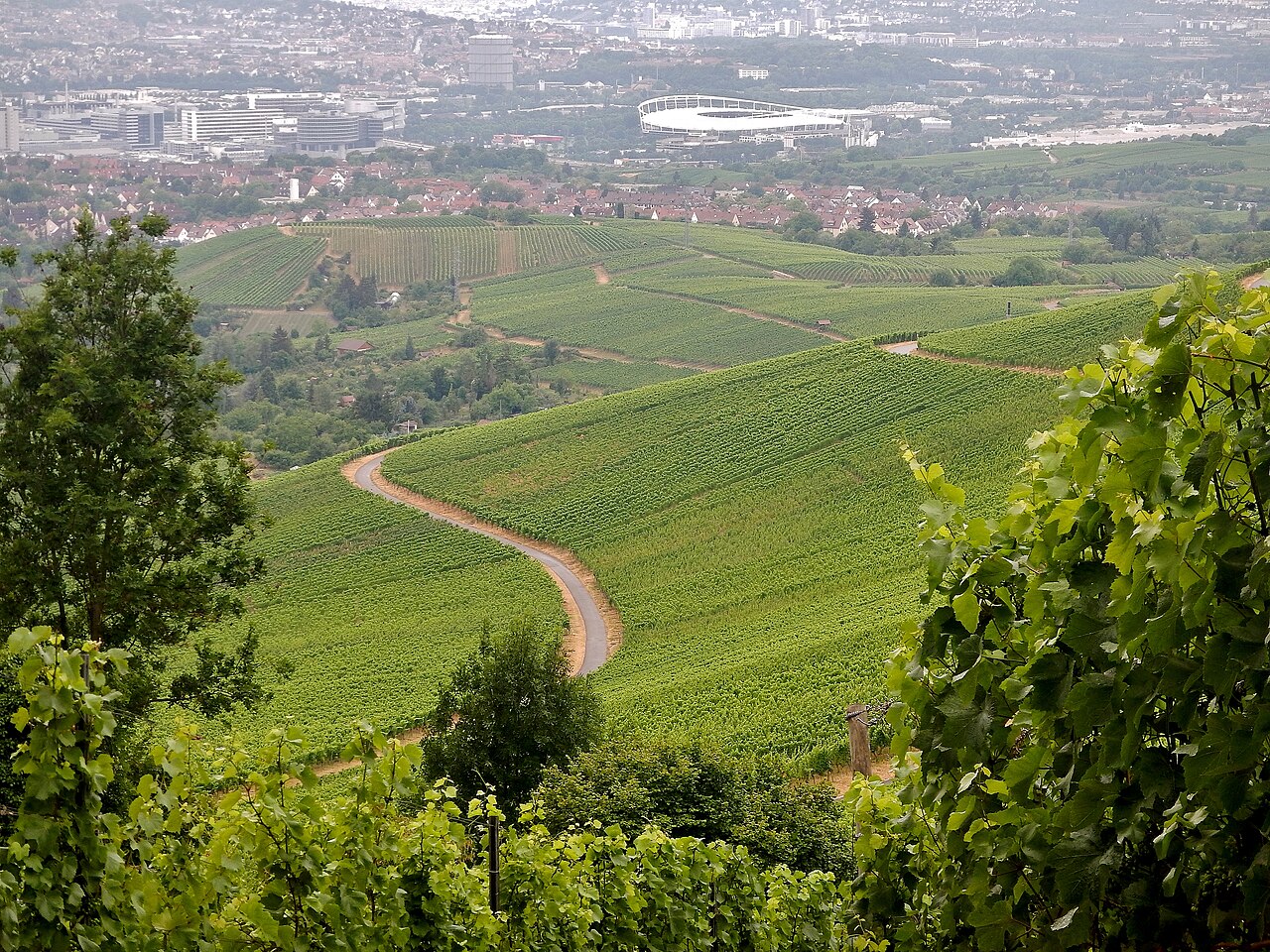
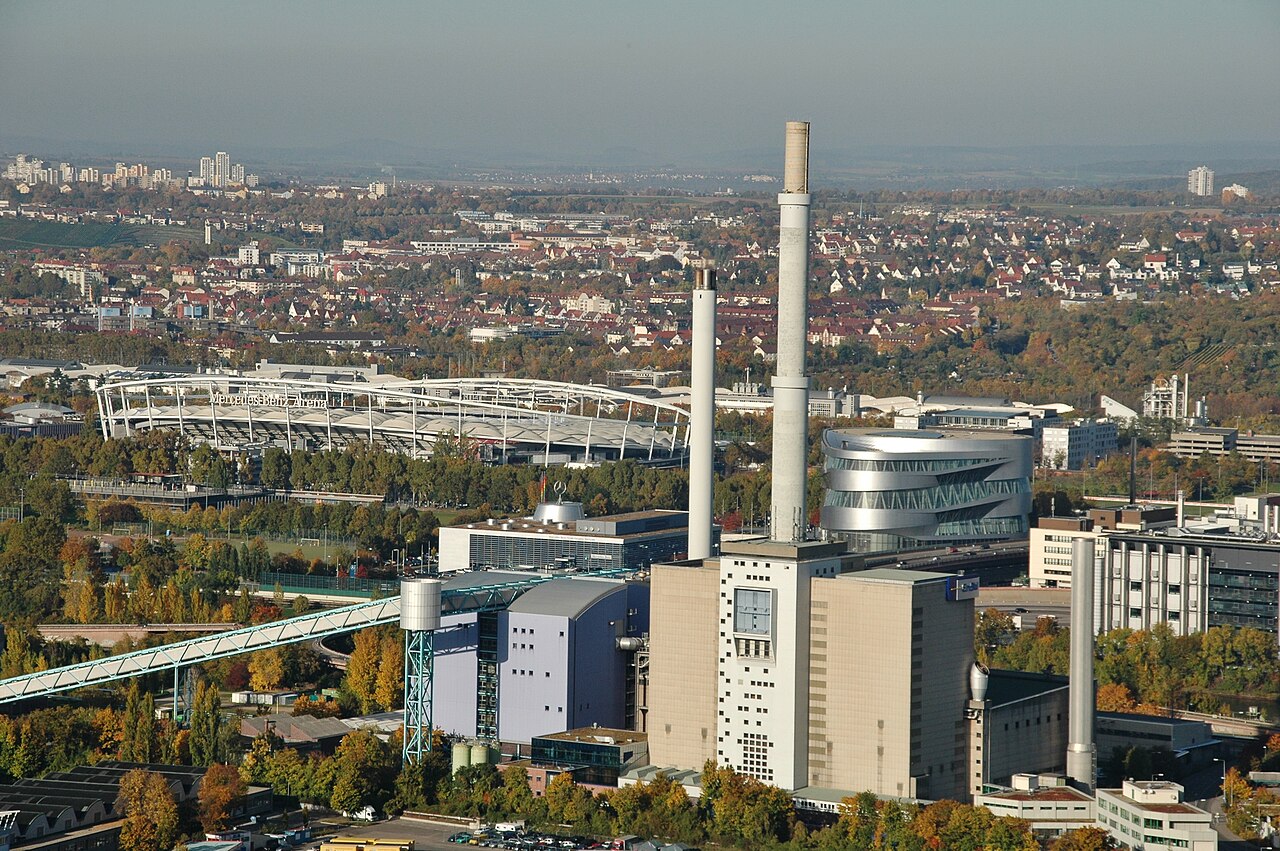
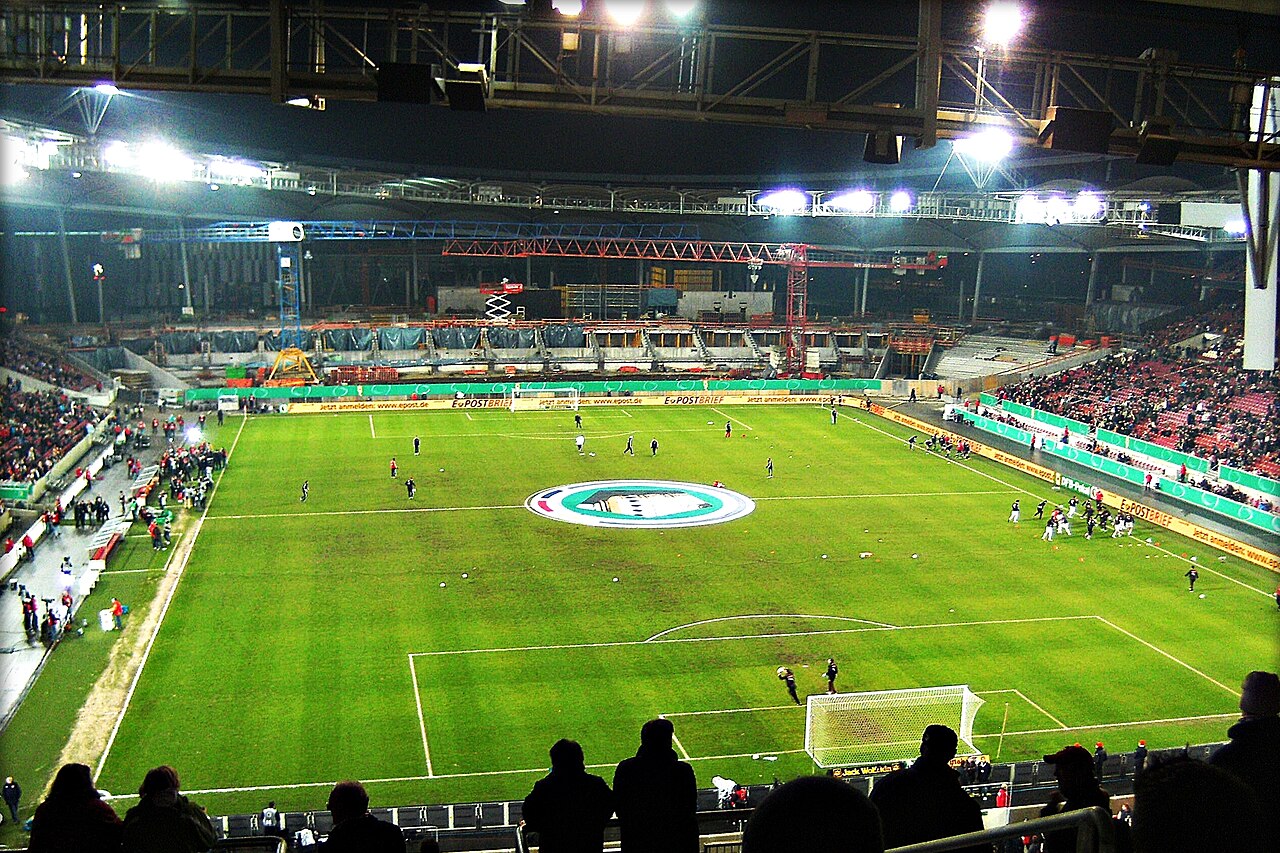
The Mercedes-Benz Arena, nestled in the Stuttgart district of Bad Cannstatt, is the beating heart of VfB Stuttgart's footballing identity. For over seven decades it has been the stage on which Stuttgart's red-and-white story has been written, from mid-century domestic triumphs to the electric nights of European competition. More than a venue, the arena is a cultural landmark of German football. Its permanent roof over most stands, its legendary Westkurve, and its intimate scale (by Bundesliga standards) create a matchday atmosphere that visitors consistently describe as unlike anything else in the league. It hosted matches at the 2006 FIFA World Cup and UEFA Euro 2024, reminding the world that Stuttgart's stadium remains a marquee address on the international calendar.
- Signature section
- Westkurve (West stand)
- Roof
- Permanent roof over most stands
Verified Timeline
Lore & Background
The story of this ground is inseparable from Stuttgart's identity as a city of engineers and craftsmen. It was here that VfB Stuttgart, still finding its footing in the young Bundesliga, began to build the loyal following that would define the club. The stands were concrete, the atmosphere was raw, and the connection between the people of Stuttgart and their team was forged in those early, rain-soaked afternoons. The naming history tells its own story of local pride. The Gottlieb-Daimler-Stadion era (from 1993) honoured the city's automotive heritage, and the shift to the Mercedes-Benz Arena name in 2008 reflected the global reach of the brand that had grown from Stuttgart's workshops. Yet for the fans in the Westkurve, the name on the signage matters less than the roar that fills the bowl when the home side scores. The permanent roof over most stands means that the noise is contained and amplified, creating a cauldron of sound. The Westkurve itself deserves a paragraph of its own. It is not merely a stand; it is a philosophy. Organised, choreographed, and fiercely vocal, the section has become a byword for what supporters' culture can look like in a top-flight German stadium. Tifo displays on European nights, coordinated drumming, and an unyielding wall of red and white make it a destination for football pilgrims from across the continent. The section's culture predates the modern naming-rights era by decades, rooted in the club's working-class roots in the Stuttgart-Bad Cannstatt district.
In Their Own Story
The floodlights hum to life over a drizzling Thursday evening. The pitch at the Mercedes-Benz Arena glistens, the grass a deep, almost black green under the halogen glare. In the Westkurve, a hundred drums begin their slow, rolling cadence—thump, thump, thump—building like a heartbeat. A young boy in a worn VfB shirt presses his face against the barrier, his breath fogging the cold air, while his grandfather beside him calls out the old songs in a voice roughened by fifty years of singing them. The opposing team's bus pulls away from the tunnel. The roar that swallows the stadium is not loud in the way a crowd is loud; it is total, a single organism inhaling before the first whistle. Somewhere in the upper tier, a camera flashes. Somewhere in the lower tier, a scarf is raised. The match is about to begin, and the arena, as it has for over seventy years, holds its breath.
Reader's Guide
If you have never experienced a VfB Stuttgart home match, the Westkurve is where your understanding of the club begins. Arrive early. The open-air design means the stands fill gradually, and the pre-match atmosphere—drums, chants, the clatter of scarves being shaken—builds over twenty minutes into a wall of sound that you feel in your chest before you fully register it with your ears. The section is not a passive spectator area. Expect coordinated tifo on big nights, flag-waving, and a relentless vocal presence from kickoff to full-time. The culture is inclusive of visiting supporters who respect the space, but the energy is unmistakably homegrown. Bring a rain jacket in any season; the lack of a roof is a feature, not a bug, and the crowd treats getting drenched as part of the rite. Beyond the match itself, the surrounding area in Stuttgart-West carries its own character. Local bakeries, small beer gardens, and the quiet industrial streets that gave the club its working-class identity are a ten-minute walk from the turnstiles. The arena does not exist in a sterile sports-complex bubble; it sits inside a neighbourhood, and the fans who fill it are, in many cases, the same people who have lived on those streets for generations. What the Westkurve represents to Stuttgart is not just a football section. It is a declaration that the city's identity is not only engines and engineering but also passion, community, and the simple, irreplaceable act of singing together in the rain.
Did You Know?
- The stadium has carried at least three distinct names in its history—Neckarstadion, Gottlieb-Daimler-Stadion, and Mercedes-Benz Arena—each reflecting a different era of Stuttgart's industrial and sporting identity.
- The permanent roof over most stands helps contain the noise from the Westkurve, creating an intense, cauldron-like atmosphere on matchdays.
- The venue hosted matches during both the 2006 FIFA World Cup and UEFA Euro 2024, confirming its status as one of Germany's premier international football addresses.
- The Westkurve supporters' section is frequently cited by visiting fans and media as one of the most passionate and visually striking home sections in German Bundesliga football.
A Century of Names and Identities
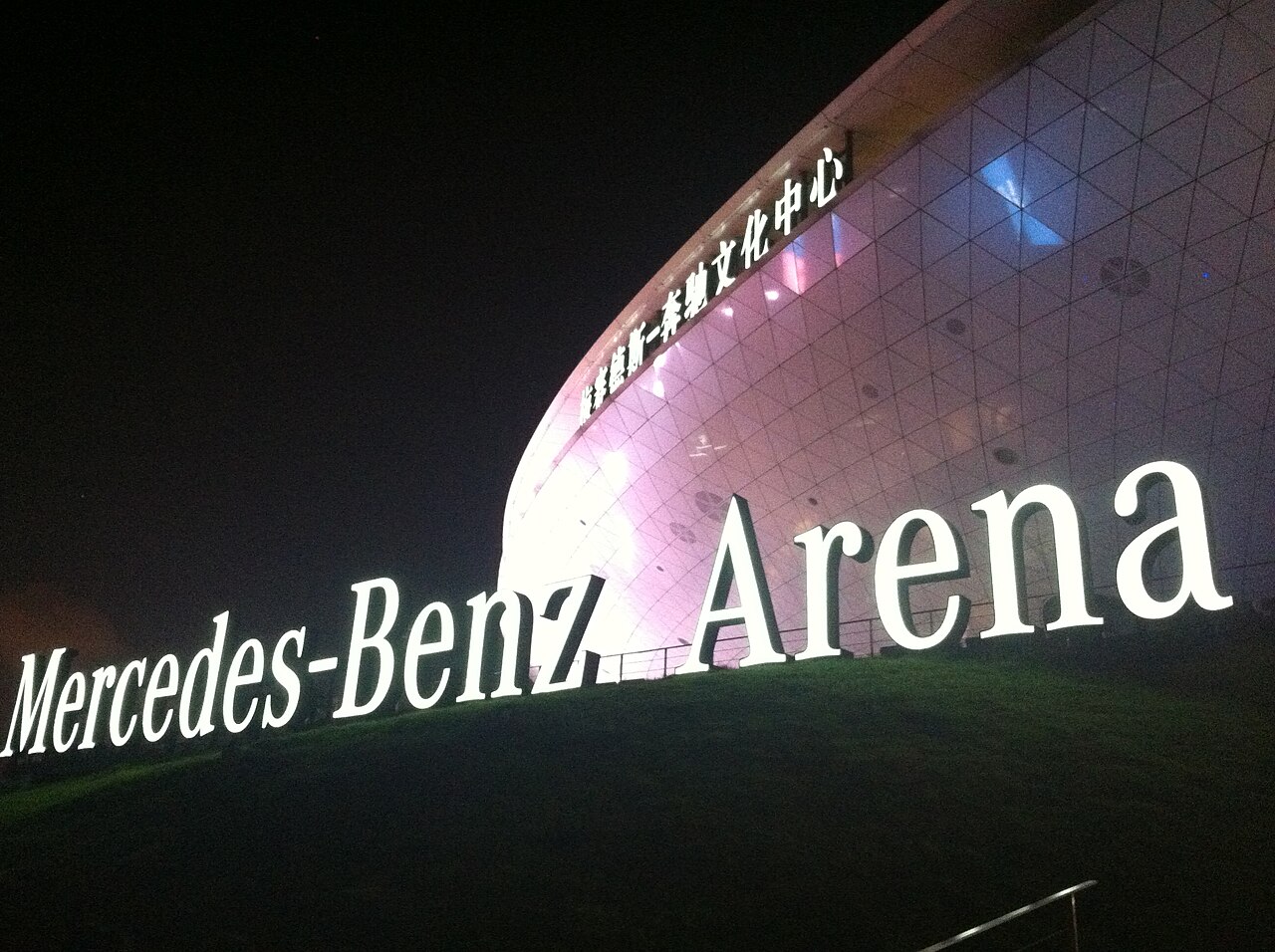
Its identity was reshaped repeatedly in the decades that followed. After the Nazi rise to power it was renamed Adolf-Hitler-Kampfbahn, a label that persisted until 1945. From 1949 it settled into the name Neckarstadion, a reference to the river flowing nearby. A substantial refurbishment in the late 1980s and early 1990s, partly financed by Daimler-Benz, prompted the Stuttgart town council to dedicate the stadium to Gottlieb Daimler, the inventor who had tested both the first internal combustion motorcycle and the first four-wheel automobile on the road from Cannstatt to Untertürkheim in the 1880s. That dedication produced the Gottlieb-Daimler-Stadion name, which held until the 2008–09 season brought the Mercedes-Benz Arena branding. On 1 July 2023 the venue received its latest identity, the MHPArena, continuing a long tradition of reinvention that mirrors Stuttgart's own industrial and sporting evolution.
The Only European Venue to Host Every Major Final
Very few sports grounds can claim the breadth of international football pedigree this Stuttgart stadium has gathered over nearly seven decades. It hosted four matches at the 1974 FIFA World Cup, two fixtures at UEFA Euro 1988 including a semi-final, and six games at the 2006 World Cup, among them a Round of 16 tie and the third-place playoff. Benfica. It also hosted the replay of the 1962 European Cup Winners' Cup final and the second leg of the 1989 UEFA Cup final. This combination of multiple World Cup tournaments, European Championship matches, and European Cup or Champions League finals makes it the only stadium in Europe to have hosted all three categories of major international football. During the 2006 World Cup, the Gottlieb-Daimler-Stadion was one of only four venues allowed to keep its existing name, because the dedication to Daimler was not interpreted as commercial advertising, unlike the Allianz Arena in Munich or the AOL Arena in Hamburg, both of which were required to strip their sponsor references.
Reborn as a Football-Specific Arena
Between 2009 and November 2011 the stadium underwent a sweeping transformation that converted it from a multi-purpose venue into a dedicated football arena. During the summer of 2009 the Untertürkheimer Kurve stand was demolished, temporarily cutting capacity to around 42,300. The rebuilt structure, completed in late 2011, offered a new capacity of 60,449 including terracing, though UEFA regulations requiring all-seated configurations for international fixtures trimmed that figure to roughly 55,000.
Moments That Defined a Stadium
Certain matches have etched themselves into the collective memory of this ground in ways that transcend ordinary fixtures. In 1950, Germany's first international football match after World War II was played here against Switzerland, drawing an official attendance of 96,400, a record the stadium still holds, while journalists estimated the true crowd exceeded 100,000. Its two video walls, each measuring 115 square metres, were the largest in Europe prior to the rebuilding. The surrounding Neckarpark area, with the Carl Benz Center, the Porsche-Arena, and the Cannstatter Wasen festival grounds just 250 metres to the west, reinforces the stadium's role as the beating heart of Stuttgart's sporting and cultural landscape.
Gallery
More in Stadium & Culture
Elsewhere in the VfB Stuttgart universe
Spotted an error? Know more?
This is a living reference — every entry is fact-audited, and reader corrections feed straight into our audit queue. Suggest an edit · See this site's audit record