Udo Lattek
The forward who became the thinking man's coach, twice calling Stuttgart home.

via Wikipedia: Matthias Sammer · see source
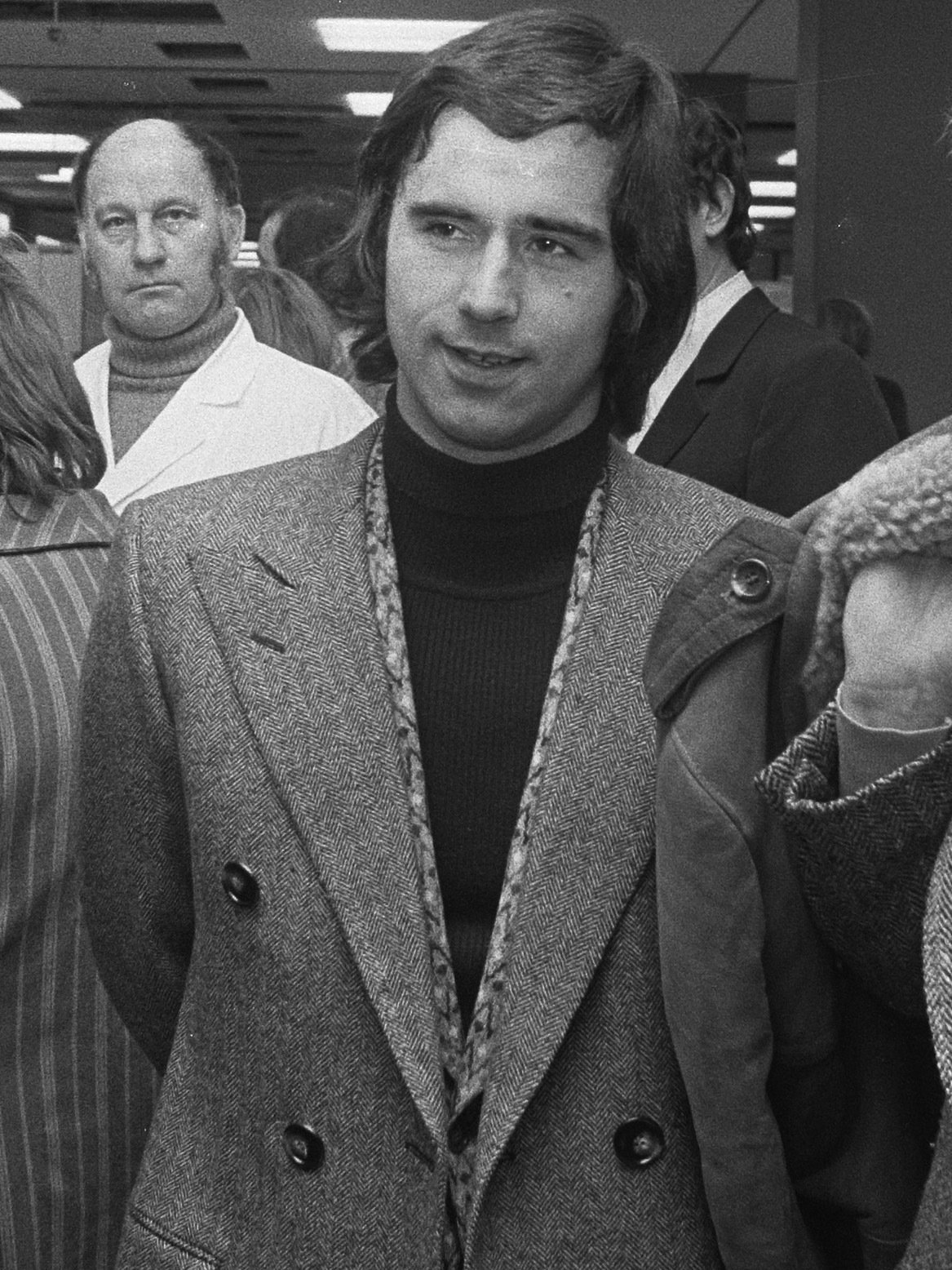
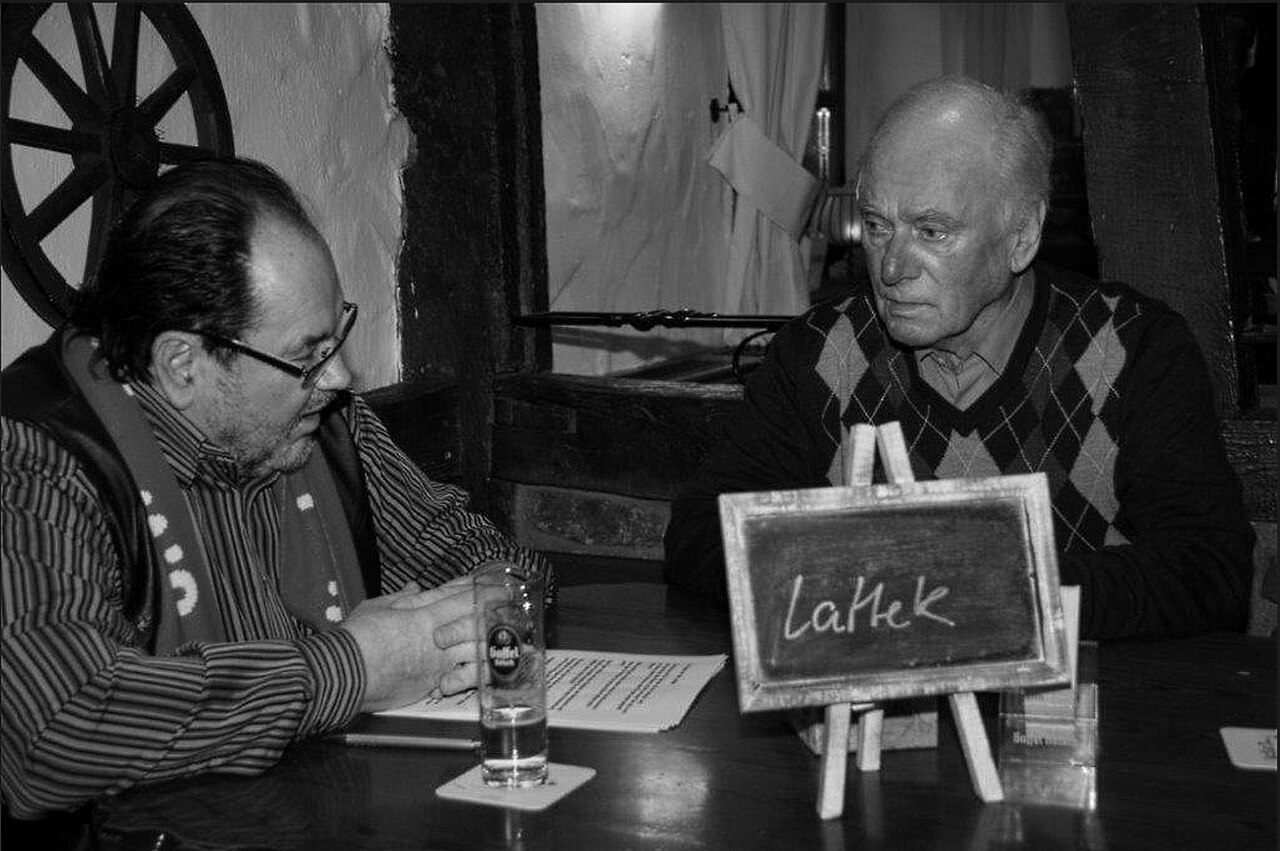
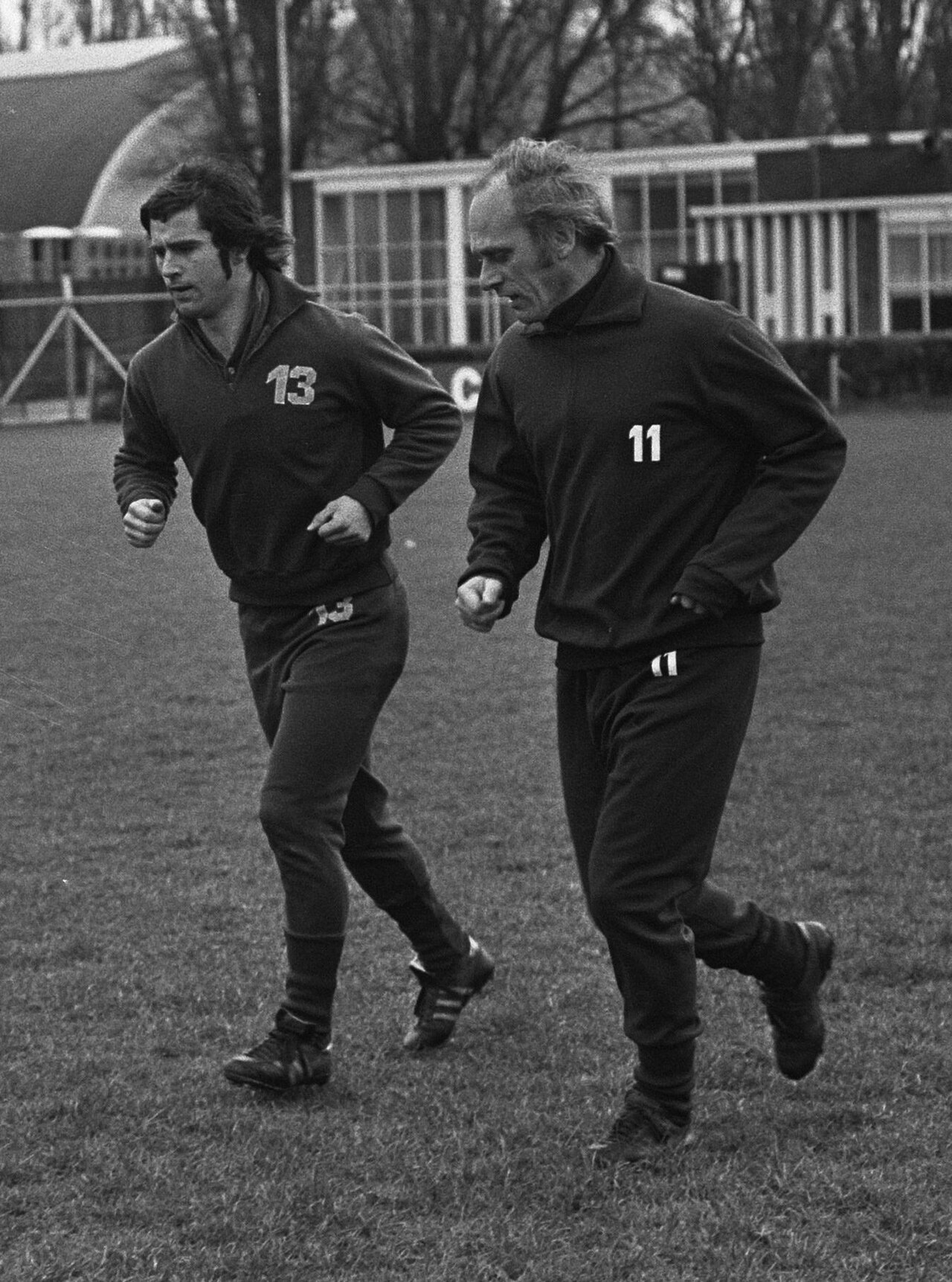
Udo Lattek is a name that carries particular weight in VfB Stuttgart's long memory: a forward/striker who wore the white-and-violet shirt during the club's formative 1960s, and later a manager who returned to the MHPArena's predecessor to try and steer the team through a turbulent early-1990s season. His career spans two distinct eras of German football, and his Stuttgart chapters bookend a broader story of a player who became a tactician of the old school. This entry is an unofficial fan tribute, written by supporters for supporters. It draws on the widely known, stable history of Lattek's association with VfB Stuttgart and does not represent any official club publication.
- Role
- Player (forward/striker) and Manager
- Position
- Forward / striker
Lore & Background
Lattek arrived at VfB Stuttgart during a period when the club was still finding its identity as a top-flight presence. As a sharp, goal-minded forward, he embodied the attacking spirit of Stuttgart's frontline in the 1960s — a generation that laid the groundwork for the golden teams that would follow in the 1970s and 1980s. He was not a household name in the way that later legends would be, but he was part of the fabric: the player who found space, finished chances, and gave the midfield the platform to express themselves. His managerial career took him through several German clubs, with a high-water mark at Bayern Munich where he guided the side to Bundesliga titles in 1984-85 and 1985-86. Those achievements cemented his reputation as a tactician who valued structure and defensive discipline — qualities that, not coincidentally, mirrored the style he had practised on the pitch at Stuttgart years earlier. His return to Stuttgart as a manager in the early 1990s came during a period of transition for the club. The team was navigating the post-reunification Bundesliga landscape, and Lattek brought the same pragmatic, organised approach that had defined his playing days. Though his tenure was not defined by silverware, it represented a continuity of values — the idea that Stuttgart football is built on discipline, teamwork, and a refusal to be outworked.
In Their Own Story
The floodlights hum to life over the Neckar on a cold November evening in the early 1990s. Lattek stands at the touchline in a heavy coat, hands clasped behind his back, watching his centre-backs set the line. He does not shout. He rarely does. A young midfielder looks up from the grass, expecting a bellow, and instead gets a single nod and a quiet word: "Halt die Linie, Junge." The ball is cleared, the crowd roars, and Lattek's jaw tightens with a satisfaction he will never show. Behind him, the stands are a sea of white and violet, and for a moment the 1960s and the 1990s feel like the same decade — the same club, the same stubborn belief that organisation beats flair, and that a defender's job is never truly finished.
Reader's Guide
The 1960s were VfB Stuttgart's apprenticeship. The club was consolidating its place in the Bundesliga, building a reputation for hard-working, structured football that would become its signature. Players like Lattek were part of that foundational generation — not the headline names, but the ones who made the system work. This era matters because it established the identity that Stuttgart supporters still recognise: a team that defends in unison, that values the collective over the individual, that plays with a certain German thoroughness. The 1970s and 1980s golden teams — the ones that won the European Cup and the Bundesliga — were built on the culture that players of Lattek's generation had instilled. When Lattek returned as a manager in the early 1990s, he was, in a sense, a living link to that original identity. In a league that was increasingly glamorous and mercenary, his presence at the touchline was a reminder of where the club came from. For Stuttgart fans, that continuity is not nostalgia; it is the thread that connects every white-and-violet shirt to the first ones laced up on the banks of the Neckar.
Did You Know?
- Lattek played as a forward/striker for VfB Stuttgart in the 1960s before going on to a long managerial career across German football.
- He won the Bundesliga title as Bayern Munich's head coach in the 1984-85 and 1985-86 seasons, highlights of his coaching career.
- His managerial philosophy was often described as highly structured and defensively disciplined — a direct echo of the style he had practised on the pitch at Stuttgart.
Gallery
More in Club History
Elsewhere in the VfB Stuttgart universe
Spotted an error? Know more?
This is a living reference — every entry is fact-audited, and reader corrections feed straight into our audit queue. Suggest an edit · See this site's audit record